
Sell Scrap Alloy Rims & Damaged Wheels for Cash in Toronto
EcoScrap.ca buys bent, cracked, curb-rashed and scrap alloy rims, steel wheels and chrome wheels from tire shops, wheel repair shops, mechanics, dealerships and car owners. We pick up free anywhere within 200 km of Toronto, load the pallets ourselves and pay cash on the spot.
Free Rim & Wheel Quote
Quick answer: EcoScrap.ca buys scrap alloy rims, damaged aluminum wheels, steel rims and chrome wheels from tire shops, mechanics, dealerships and private owners across the GTA and anywhere within 200 km of Toronto. We pick up free, load the wheels ourselves and pay cash on the spot (or by e-Transfer if you prefer). Call (647) 915-5440 for today’s price.
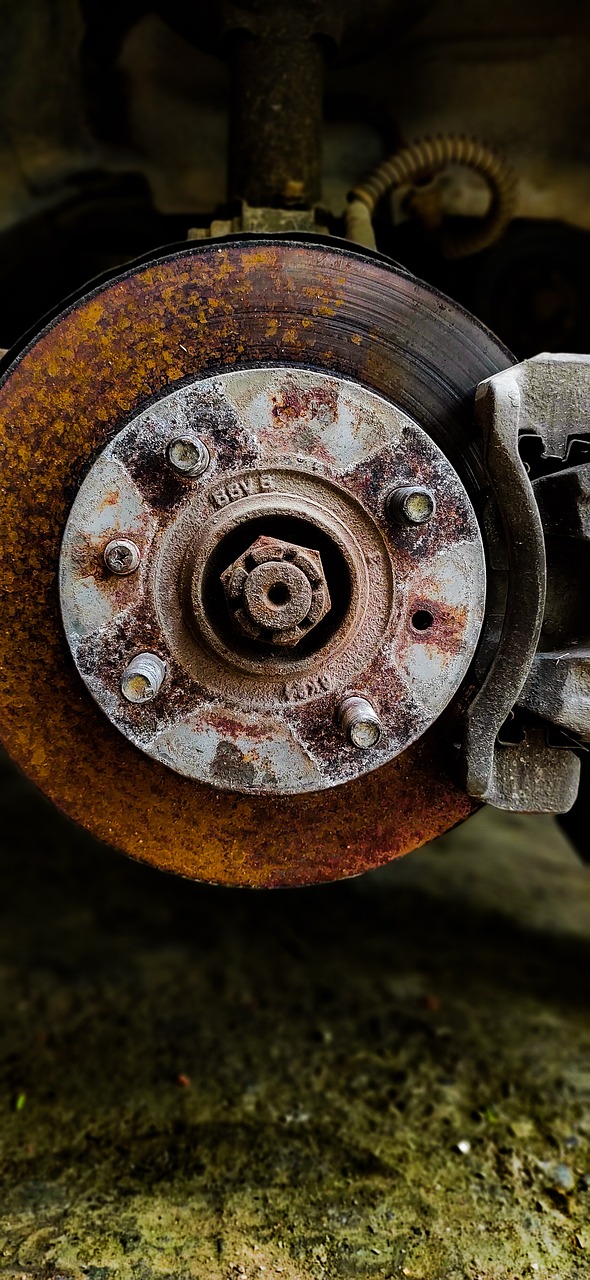
Alloy rims are mostly A356-type cast aluminum, so their scrap value follows global benchmarks such as the LME aluminium alloy price. The Canadian Association of Recycling Industries has more on how metal recycling works in Canada.
If you run a tire shop in Mississauga, a wheel repair bay in Vaughan or a dealership service department in Markham, you already know how fast damaged rims pile up. Every bent wheel that can’t be straightened, every cracked spoke, every curb-rashed rim a customer decided to replace ends up leaning against a wall or stacked on a pallet out back. Those wheels are not garbage. Most passenger-car alloy rims are cast from A356 aluminum, one of the cleanest and most sought-after grades of scrap aluminum, and they carry real value. This page explains exactly what we buy, how rims are graded, what lowers or raises the price, and how our free pickup works for shops and individuals anywhere from Toronto to Barrie, Kitchener, Peterborough and the Niagara Region.
What kinds of scrap rims and wheels does EcoScrap buy?
We buy every common type of automotive wheel that comes through a tire or repair shop. Whether you have one rim or several hundred, whether they are clean or still wrapped in rubber, we want to hear from you. Here is what we regularly pick up:
- Aluminum alloy rims — cast and forged OEM and aftermarket wheels from cars, SUVs, minivans and light trucks.
- Damaged alloy wheels — bent, cracked, curb-rashed, corroded, pitted, scratched or “unrepairable” rims that a wheel straightener has turned down.
- Steel rims — black or silver steel winter wheels, spare wheels, trailer wheels and older truck rims.
- Chrome-plated wheels — aluminum or steel wheels with a true electroplated chrome finish.
- Chrome-clad wheels — rims with a bonded plastic chrome-look cap or cladding over the face.
- Rims with tires still mounted — we accept them, although clean rims are worth more (see below).
- Bulk pallets and mixed loads — stacks of rims from seasonal changeovers, dealership trade-ins or fleet upgrades.
- Related scrap — wheel weights, brake rotors and drums, and other shop scrap we can collect on the same trip.
We also buy catalytic converters, scrap car parts and whole junk cars, so if your shop produces more than wheels, one call can clear out several bins at once. See our catalytic converter buying page, our scrap car parts page and our general scrap metal pickup service.
Why are alloy rims worth more than most scrap metal?
The vast majority of factory alloy wheels are cast from an aluminum-silicon-magnesium alloy known as A356 (often heat-treated to A356-T6). Foundries and secondary smelters like it because it is a consistent, well-known recipe: mostly aluminum, with roughly 7% silicon and a small amount of magnesium. When a smelter melts down a batch of clean A356 wheels, it gets a predictable alloy back with very little cleaning or chemistry correction. That predictability is exactly why aluminum wheels are usually graded as their own category in the scrap trade instead of being thrown in with mixed cast aluminum.
Steel wheels, on the other hand, are ferrous scrap. Steel is heavy and plentiful, so it is generally priced much lower per kilogram than aluminum. A steel winter rim may weigh more than an alloy rim of the same size, but the alloy rim almost always carries more value because aluminum is the more valuable metal. The live price of either one moves with world metal markets, which is why we always give you today’s price on the phone rather than a fixed rate on a website.
Alloy vs steel vs chrome-plated vs chrome-clad: how are rims graded?
Not all rims are equal at the scale. The single biggest factor in what a wheel is worth is the metal it is made of, followed by how clean it is. The table below summarizes how the four common wheel types are usually handled. It is a general guide, not a quote — call (647) 915-5440 for current pricing.
| Wheel type | Metal | How to identify it | Typical scrap grade | Relative value |
|---|---|---|---|---|
| Alloy (painted or machined) | A356 aluminum alloy | Not magnetic; lighter; cast spoke designs; often stamped with part numbers on the back | Clean aluminum wheels (when tires, weights, stems and sensors are removed) | Highest of the four |
| Steel | Carbon steel | Magnet sticks firmly; simple stamped design; often black or silver; holes for hubcaps | Ferrous / prepared steel | Lowest per kilogram |
| Chrome-plated aluminum | Aluminum with electroplated copper-nickel-chrome layers | Not magnetic; mirror finish that is part of the metal itself | Often graded separately from clean alloy because the plating contaminates the melt | Usually below clean alloy |
| Chrome-plated steel | Steel with chrome plating | Magnet sticks; mirror finish | Ferrous | Similar to steel |
| Chrome-clad | Aluminum or steel wheel with a bonded plastic chrome-look cap | Tap the face — it sounds hollow or plastic; visible seam around the edge of the cladding | Depends on the base metal; the plastic must be removed or the wheel is downgraded | Below the same wheel without cladding |
Aluminum alloy rims
Alloy rims are the bread and butter of our wheel program. If a magnet does not stick to the barrel or the spokes, you almost certainly have an aluminum wheel. OEM wheels from Honda, Toyota, Ford, GM, Hyundai, Kia, Volkswagen, BMW, Mercedes-Benz and every other carmaker are typically cast A356. Aftermarket wheels are usually aluminum too, although a few budget designs use different alloys or added inserts. Painted, powder-coated, polished and machined-face wheels all count as alloy wheels; the paint burns off in the furnace and does not normally knock them down a grade.
Steel rims
Steel wheels are everywhere in Ontario because so many drivers run a dedicated set of winter tires on inexpensive steelies. When those wheels rust out, bend or get replaced, they become ferrous scrap. Steel rims are worth less per kilogram than aluminum, but they are still worth recycling, and we happily take them along with your alloys. Many shops have far more steel wheels than they realize stacked behind the building after a few winters.
Chrome-plated wheels
True chrome wheels are electroplated: thin layers of copper, nickel and chromium are deposited onto the metal. Those layers do not burn off the way paint does, so smelters often treat chrome-plated aluminum wheels as a separate, lower grade than clean painted alloys. They are still valuable aluminum — just not quite as clean. Chrome-plated steel wheels are handled like any other steel.
Chrome-clad wheels
Many trucks and SUVs from the 2000s and 2010s came with chrome-clad wheels — a thin plastic shell with a chrome look, glued over the face of an aluminum or steel wheel. Over time the cladding lifts, bubbles and peels, which is often why the wheel gets replaced in the first place. That plastic is a contaminant in an aluminum melt, so clad wheels are usually worth less than the same wheel without the cap. If you have the time and tools to pry the cladding off, you may move the wheel into a better grade. If not, we will still buy them as they are.
Got a stack of damaged rims? Get today’s price in one call.
Free pickup within 200 km of Toronto · Cash paid on the spot
📞 Call (647) 915-5440 NowClean vs dirty rims: what counts as “clean”?
In the scrap trade, a “clean” aluminum wheel is a bare rim: no tire, no wheel weights, no valve stem, no TPMS sensor, no steel inserts and no plastic cladding. A “dirty” wheel is one that still has some or all of those attachments. Because the buyer further down the line has to remove (or pay to remove) every non-aluminum part before melting, clean wheels are worth noticeably more than dirty ones. Here is what typically makes a rim dirty.
Tires still mounted
A rubber tire adds weight that is not aluminum, and someone has to dismount it and dispose of it properly. Tire shops have the mounting machines to strip rims in a minute or two, and doing so before pickup is one of the easiest ways to raise the value of your load. If you are a private owner without a tire machine, don’t worry — we still take rims with tires on. We will simply price them as “with tire” rather than as clean wheels. Note that scrap tires in Ontario move through their own recycling stream; your tire shop or a local tire collector can usually take the casings.
Wheel weights
Clip-on and stick-on balance weights are made of lead, zinc or steel. Lead weights in particular are a problem in an aluminum furnace, and buyers deduct for them. Pop off clip-on weights with a weight hammer or pliers and scrape off adhesive weights. Keep the removed weights in a pail — they are a scrap commodity in their own right, and we can usually take them on the same pickup.
Valve stems
Rubber snap-in valve stems and brass or aluminum clamp-in stems are small, but on a pallet of 60 wheels they add up. Cutting or pulling the stems is quick work and helps the wheels grade as clean.
TPMS sensors
Since the late 2000s most new vehicles sold in North America have direct tire-pressure monitoring sensors mounted inside the wheel at the valve stem. Each sensor contains a small sealed battery and electronics. They should come out before a wheel is melted, both because they contaminate the aluminum and because batteries do not belong in a furnace. For shops there is a bonus: sensors in good working order can often be reused, and many tire shops keep a bin of tested take-off sensors. Remove them, decide what to keep, and we will buy the bare rims.
Steel inserts, centre caps and lug hardware
Some aftermarket wheels have steel or plastic inserts, bolted-on lips or decorative centre caps. Remove plastic centre caps and any loose lug nuts or locks. Bolted multi-piece wheels with steel hardware may be graded differently from one-piece cast wheels; let us know if you have them and we will tell you how they will be handled before we arrive.
Do you buy bent, cracked and curb-rashed rims?
Yes. Damage that makes a wheel unsafe or uneconomical to repair has essentially no effect on its scrap value, because the smelter is buying the metal, not the wheel. A rim with a cracked spoke, a bent barrel from a Gardiner Expressway pothole, a flat spot from a curb on the Don Valley Parkway, or a face scraped down to bare metal from parallel parking on Queen Street is worth the same per kilogram as a perfect one in the same grade. That includes:
- Bent rims — inner or outer barrel bends, out-of-round wheels, wobble that a straightener can’t fix.
- Cracked rims — cracks in the barrel, bead seat or spokes, including welded wheels that cracked again.
- Curb-rashed rims — gouged lips and faces customers no longer want to refinish.
- Corroded rims — wheels with bead-seat corrosion, salt pitting or peeling clear coat from Ontario winters.
- Wheels from collision repair — damaged OEM wheels replaced under an insurance claim at a body shop.
- Odd singles — lone wheels from sets where one was destroyed, mismatched leftovers and discontinued designs.
If you are a wheel repair shop, the rims you turn down are a steady scrap stream. Rather than letting them clutter the shop, set aside a corner or a pallet for them and call us when it fills up.
Who sells scrap rims to EcoScrap?
Our wheel pickup is built mainly for businesses that generate rims every week, but we are just as happy to come out for a car owner with a few wheels in the garage.
- Tire shops — the largest source of scrap rims we see, especially during spring and fall changeovers.
- Wheel repair and refinishing shops — wheels that failed inspection or were too far gone to straighten or weld.
- Mechanics and auto repair shops — rims removed during suspension, brake and collision work.
- Dealership service departments — take-off wheels from upgrades, damaged wheels replaced under warranty or insurance, and stock from trade-ins.
- Body shops and collision centres — wheels damaged in accidents and replaced with new ones.
- Muffler and exhaust shops — occasional wheels along with exhaust scrap and catalytic converters.
- Fleet operators — vans, pickups and service vehicles that cycle through wheels quickly.
- Car owners — old winter steelies, wheels left behind after selling a car, or a set of rims you upgraded from.
If you are a shop owner and want a regular schedule, read our post on setting up a scrap program for mechanic, tire and muffler shops. It explains how to set up bins, how often to book pickups and how to keep different scrap streams separate so each one earns its best price.
How does free rim pickup work?
We come to you. You do not need to rent a trailer, load a truck or drive to a scrap yard on Eastern Avenue or in an industrial park in Concord. Here is the process from start to finish:
- Call (647) 915-5440. Tell us roughly how many wheels you have, whether they are alloy, steel or chrome, and whether tires, weights and sensors are still on.
- Get a free quote. We give you a price based on today’s aluminum and steel markets and the condition of your wheels.
- Book a pickup time. Same-day or next-day pickup is often available across the GTA. Outlying cities within 200 km are scheduled on our regular routes.
- We arrive and load. Our crew loads the rims or pallets ourselves. You don’t have to lift a thing or tie up your techs.
- We weigh, sort and confirm. We sort alloy from steel and chrome, confirm the grade with you and settle on the final amount right there.
- You get paid on the spot. Cash before we leave, or e-Transfer if you prefer. We ask for valid government-issued photo ID and record the transaction, as responsible scrap buyers should.
Want to know more about how far we travel and what a pickup involves? See our guide to free scrap pickup within 200 km of Toronto.
Book a free rim pickup today — we load, you get paid.
Free pickup within 200 km of Toronto · Cash paid on the spot
📞 Call (647) 915-5440 NowCan you pick up bulk pallets of rims?
Yes, and bulk loads are where our service saves shops the most time. A busy tire shop can easily fill several pallets with rims over a season. Hauling those yourself means lost bay time, a truck tied up and a staff member out of the shop for half a day. We bring the vehicle and the labour.
A few tips make pallet pickups smooth:
- Separate by type. One pallet or stack for clean alloy, one for alloy with tires, one for steel, one for chrome and clad wheels. Sorted loads are faster to grade and usually price better.
- Stack rims face-down and interlocked. Alloy rims nest reasonably well and stay stable when stacked carefully. Shrink-wrap or strap tall stacks.
- Keep wheels dry where you can. Rims full of water, ice or snow in a Toronto winter add weight that isn’t metal, and they are harder to handle.
- Leave a clear path. Make sure our crew can reach the pallets from the lot without moving customer vehicles.
- Tell us the count in advance. A rough count lets us send the right size vehicle the first time.
Call us whether you have a handful of wheels or a yard full. Bigger loads let us offer the most attractive price, and booking a regular route stop makes pickups predictable for both of us.
Why do scrap rims spike in spring and fall?
Ontario’s tire-swap season drives the rim scrap cycle. Twice a year, millions of drivers across the Golden Horseshoe book appointments to switch between winter and all-season or summer tires. During those weeks, tire shops find damaged wheels that customers didn’t know about, customers decide to upgrade to new rims, and rusty steel winter wheels finally get retired.
The fall rush (roughly October to December)
Once overnight temperatures drop and the first snow hits the 401, shops are booked solid with winter tire installs. Many drivers buy a fresh set of steel or alloy winter wheels at the same time, which leaves old, corroded or bent rims behind. Insurance discounts for winter tires in Ontario also nudge more drivers into dedicated winter setups, and every new set means older wheels coming out of service.
The spring rush (roughly March to May)
After a long winter of potholes, salt and slush, spring changeovers reveal bent barrels and cracked spokes. It’s also when drivers who leased or bought a new car over the winter clear out their garages and drop off old wheels. Wheel repair shops are busiest now too, and their rejects pile up quickly.
How to plan around the rush
- Call us at the start of the season to set a pickup schedule — weekly or every two weeks during peak, monthly in the quiet months.
- Clear your yard before the rush so you have room to store new scrap and customer tires.
- Have staff strip tires, weights, stems and TPMS sensors as they work, rather than leaving a backlog of dirty rims for later.
- Keep a dedicated pallet for each wheel type so sorting never becomes a separate job.
What affects the price you get for scrap rims?
We don’t publish a fixed price per rim because the real value changes with the metal markets and with what you actually have. These are the factors that matter most:
- Metal type. Aluminum alloy is worth much more per kilogram than steel.
- Cleanliness. Bare alloy rims grade higher than rims with tires, weights, stems or sensors.
- Finish. Painted and machined alloys usually grade higher than chrome-plated or chrome-clad wheels.
- Weight. Scrap is bought by weight. A 20-inch truck rim contains far more aluminum than a 15-inch compact car wheel.
- Quantity. Larger loads justify the trip and often earn a better rate.
- Market conditions. Aluminum and steel prices move daily with global supply and demand, the Canadian dollar and smelter demand.
- Sorting. Pre-sorted loads save time on site and make grading transparent.
For a deeper look at how aluminum, steel and chrome wheels compare on price, read our guide: Scrap Rim Prices Explained: Aluminum vs Steel vs Chrome Wheels.
Tips to get more money for your scrap rims
- Dismount the tires. This is the single biggest step from “dirty” to “clean.”
- Pull all wheel weights. Clip-ons and stick-ons both. Save the weights separately.
- Remove valve stems and TPMS sensors. Keep working sensors for resale or reuse.
- Remove plastic centre caps and chrome cladding where it comes off easily.
- Sort by type. Alloy, steel, chrome-plated and clad wheels in separate stacks.
- Keep them dry and free of debris. Dump out water, ice, gravel and sand.
- Combine loads. Add brake rotors, drums, catalytic converters and other shop scrap to the same pickup.
- Book before the rush. A scheduled route stop during spring or fall keeps your yard clear and your pickups prompt.
- Call for today’s price. Metal markets move; a quick call at (647) 915-5440 tells you where things stand right now.
How do I tell if my rim is aluminum or steel?
The fastest test is a magnet. Hold a fridge magnet to the inner barrel of the wheel, away from any wheel weights or valve stems. If it sticks firmly, the wheel is steel. If it doesn’t stick at all, the wheel is aluminum (or occasionally magnesium on older racing wheels). A few other clues help:
- Aluminum wheels usually have cast spoke designs, while steel wheels are stamped with a simple pattern of round or oblong holes.
- Many alloy wheels have casting marks or part numbers on the back of the spokes.
- Steel wheels are often painted black or silver and designed to take a plastic hubcap.
- For chrome, tap the face: a hollow or plasticky sound points to chrome cladding, while a solid ring suggests plated metal.
What do I need to sell scrap rims to EcoScrap?
Very little. Every seller shows valid government-issued photo ID at the time of sale, and we keep a record of the transaction. That is standard practice for responsible scrap buyers and it protects you, us and the community. We do not buy stolen wheels or parts. Business sellers are welcome to have an invoice or receipt for their records. For catalytic converters and junk cars, our recordkeeping is more detailed — for cars, the vehicle ownership permit must be signed over to us. This is general information, not legal advice.
Clean out the yard before tire season. Call EcoScrap.
Free pickup within 200 km of Toronto · Cash paid on the spot
📞 Call (647) 915-5440 NowWhy sell scrap rims to EcoScrap?
- We come to you. Free pickup anywhere within 200 km of Toronto — no trailer, no yard visit, no line-ups.
- We do the heavy lifting. Our crew loads the rims, pallets and bins ourselves.
- Cash on the spot. You’re paid before we leave, in cash or by e-Transfer if you prefer.
- Transparent grading. We explain how each wheel type is graded and why, right in front of you.
- Market-based pricing. Our quotes follow live aluminum and steel markets. Call for today’s price.
- One call for all your scrap. Rims, rotors, drums, catalytic converters, copper, brass, batteries and whole junk cars.
- Fast scheduling. Same-day pickup is often available across the GTA, and regular route stops for shops.
- Responsible buying. Photo ID and recorded transactions on every purchase; we don’t buy stolen goods.
Where do we pick up scrap rims? Cities we serve
EcoScrap is based in Toronto and offers free rim and wheel pickup anywhere within roughly 200 km. That covers the entire Greater Toronto Area plus most of the Golden Horseshoe, Waterloo Region, Simcoe County, Durham and the Niagara Peninsula.
Toronto and the inner GTA
Toronto, Etobicoke, North York and Scarborough — from the tire shops along Kipling and Dixie to the dealerships on the Golden Mile and the repair bays off Finch Avenue.
Peel and Halton
Mississauga, Brampton, Oakville, Burlington and Milton, plus Caledon, Bolton, Georgetown and Halton Hills.
York Region
Vaughan, Markham, Richmond Hill, Newmarket and Aurora, plus King City and Stouffville.
Durham Region and the east
Ajax, Pickering, Whitby and Oshawa, plus Uxbridge, Bowmanville, Clarington, Port Hope, Cobourg, Lindsay and Peterborough.
Hamilton, Niagara and the southwest
Hamilton, Stoney Creek, Grimsby, St. Catharines, Niagara Falls and Welland, Brantford, Simcoe, Woodstock, Stratford and London.
Waterloo Region, Wellington and Simcoe County
Kitchener, Waterloo, Cambridge, Guelph, Fergus and Orangeville to the west; Barrie, Bradford, Innisfil, Alliston, Orillia, Collingwood and Wasaga Beach to the north.
Not sure if you’re in range? If you’re within about two hours of downtown Toronto, you almost certainly are. Call (647) 915-5440 and we’ll confirm. You can also browse all of our services or contact us online.
What else can we pick up with your rims?
Most shops that produce scrap rims also produce other valuable scrap. Adding it to the same visit means fewer trips and a bigger payout:
- Brake rotors and drums — cast iron scrap from every brake job.
- Catalytic converters — containing platinum, palladium and rhodium; see what affects catalytic converter scrap value in Ontario.
- Engines, transmissions, alternators and starters — on our scrap car parts page.
- Radiators and AC condensers — aluminum and copper-brass units.
- Car batteries — lead-acid batteries, kept upright and intact.
- Exhaust and mufflers — from muffler and exhaust shops.
- Copper, brass and other aluminum — #1 and #2 copper wire and pipe, yellow brass fittings, extrusions.
- Whole junk cars — see cash for junk cars and our guide on how to sell a junk car in Ontario.
Is recycling old rims good for the environment?
Very much so. Recycling aluminum uses only a small fraction of the energy needed to produce new aluminum from bauxite ore, and aluminum can be remelted again and again without losing its properties. Cast wheels are an especially good feedstock because the alloy is so consistent; recycled A356 can go straight back into new castings, including new wheels. Steel rims are recycled into new steel products. Keeping rims out of landfills, ditches and back lots across Ontario saves energy, reduces mining and puts money back into local businesses.
Frequently asked questions about selling scrap rims
Do you buy scrap alloy rims in Toronto?
Yes. EcoScrap.ca buys scrap and damaged aluminum alloy rims across Toronto and the GTA, with free pickup anywhere within 200 km of Toronto and cash paid on the spot. Call (647) 915-5440 for today's price.
Do you buy bent, cracked or curb-rashed rims?
Yes. Damage does not matter for scrap value because the metal is what's being bought. Bent, cracked, curb-rashed and corroded rims are all welcome.
Will you take rims with the tires still on?
Yes. Rims with tires are accepted but are priced lower than clean rims, because the tire has to be removed before the aluminum can be recycled.
What makes an alloy rim clean?
A clean aluminum rim has no tire, no wheel weights, no valve stem, no TPMS sensor, no plastic cladding and no steel inserts. Clean rims earn a better grade.
Should I remove TPMS sensors before selling rims?
Yes. TPMS sensors contain batteries and electronics that contaminate the aluminum, and working sensors can often be reused, so remove them before pickup.
Are chrome wheels worth less than regular alloy wheels?
Usually. Chrome-plated aluminum wheels and chrome-clad wheels are typically graded below clean painted alloy because the plating or plastic cladding contaminates the melt.
Do you buy steel rims?
Yes. Steel wheels are bought as ferrous scrap. They are worth less per kilogram than aluminum, but we take them along with your alloy rims.
Is there a minimum number of rims for pickup?
Call us with your quantity, whether it's a few wheels or a yard full. Larger loads and pallets are the most efficient and can earn a better rate.
How far do you travel to pick up rims?
We offer free pickup anywhere within about 200 km of Toronto, including Hamilton, Kitchener, Barrie, Peterborough, St. Catharines and London.
How do I get paid for scrap rims?
We pay cash on the spot before we leave, or by e-Transfer if you prefer. Valid government-issued photo ID is required and the transaction is recorded.
How much are scrap aluminum rims worth today?
Prices follow live aluminum and steel markets and depend on wheel type, cleanliness and quantity, so we don't post a fixed price. Call (647) 915-5440 for today's price.
Can you set up regular pickups for my tire shop?
Yes. Many shops book weekly or bi-weekly pickups during the spring and fall tire swap seasons and monthly pickups the rest of the year.
Ready to turn damaged rims into cash? Call EcoScrap now.
Free pickup within 200 km of Toronto · Cash paid on the spot
📞 Call (647) 915-5440 NowTurn Your Scrap Rims & Wheels into Cash Today
Call now for a free quote. Free pickup within 200 km of Toronto, we load it ourselves, and you’re paid on the spot.