
Free Scrap Metal Pickup for Shops in Toronto & Within 200 km – Cash on the Spot
EcoScrap.ca picks up rotors, drums, copper, brass, aluminum, stainless, batteries and mixed scrap metal from auto shops, tire shops and fleets across the GTA and anywhere within 200 km of Toronto. We load it ourselves, weigh and sort on site, and pay cash on the spot.
Free Scrap Metal Quote
EcoScrap.ca offers free scrap metal pickup in Toronto and anywhere within 200 km — we come to your shop, load the metal ourselves and pay cash on the spot (or by e-Transfer if you prefer). We buy brake rotors and drums, copper, yellow brass, aluminum, stainless steel, car batteries and mixed scrap from mechanic shops, tire shops, muffler shops, body shops, dealership service departments and fleet yards. Call (647) 915-5440 for today’s price and a pickup time.
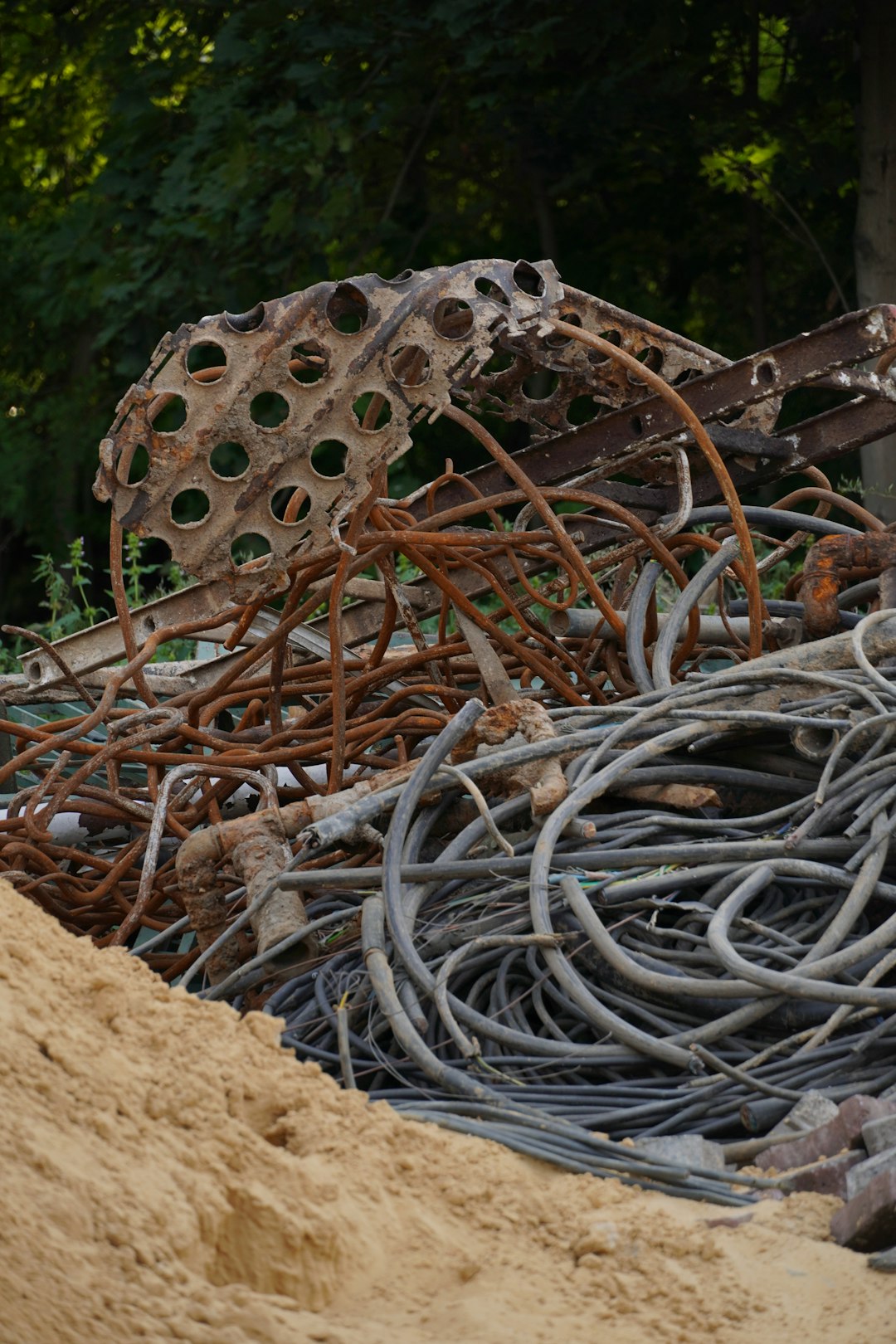
Scrap metal prices move with world markets such as the LME aluminium price, and Ontario’s rules for recycling and waste are summarized on the province’s waste management page.
If your shop is in the GTA, the Golden Horseshoe, Durham, York, Peel, Halton, Niagara, Simcoe County or Waterloo Region, you are inside our free pickup zone. This page explains exactly what we take, how the different metals are graded, what drives the price you get, and how to set up regular pickups so scrap stops eating your floor space and starts paying you every month.
What is free scrap metal pickup and how does it work?
Free scrap metal pickup means you don’t rent a truck, you don’t drive to a yard, and you don’t pay a hauling fee. EcoScrap sends a truck to your shop, our crew loads the material, we weigh and grade it on site, and you get paid before we leave. For most auto shops the hardest part of scrap is simply the time it takes to haul it — a technician who spends half a day driving rotors to a yard is a technician who isn’t billing hours. Pickup removes that cost completely.
Here’s the short version of how it works:
- Call (647) 915-5440 or book through our contact page. Tell us roughly what you have: “two pallets of rotors and drums, a bin of radiators, some aluminum wheels.”
- Get a free quote. We’ll explain current pricing by metal grade. Prices follow live metal markets, so we quote the day you call.
- Pick a time. Same-day or next-day pickup is often available across the GTA. Further out (Barrie, Kitchener, London, Peterborough, St. Catharines) we usually group routes, so let us know your preferred window.
- We load. Our crew brings what’s needed to move heavy material. You don’t need to lift a thing.
- We weigh and sort on site. Different metals are paid at different rates, so we separate and weigh by grade in front of you.
- You get paid on the spot. Cash, or e-Transfer if your bookkeeper prefers a paper trail.
Ferrous vs non-ferrous metal: why the difference matters
Every scrap metal buyer in Ontario sorts metal into two big families. Understanding the split is the single biggest thing you can do to get more money for your scrap.
Ferrous metals (contain iron)
Ferrous metals contain iron and are magnetic. In an auto shop that means brake rotors, brake drums, steel rims, exhaust pipe, leaf springs, control arms, steel brackets, old tools and general shop steel. Ferrous metal is heavy and plentiful, so it is priced per weight at a lower rate than non-ferrous metal. The value comes from volume — a shop doing steady brake work can build up a serious tonnage of cast iron over a few months.
Non-ferrous metals (no iron)
Non-ferrous metals don’t contain iron and aren’t magnetic (stainless steel is the main exception to the magnet rule — more on that below). This group includes copper, brass, aluminum, and the platinum-group metals found inside catalytic converters. Non-ferrous metals are worth considerably more per kilogram than steel, which is why it pays to keep them out of your steel bin.
The magnet test
A simple fridge magnet tells you most of what you need to know. If it sticks firmly, the piece is ferrous and goes in the steel or cast iron pile. If it doesn’t stick, set it aside — it’s likely aluminum, copper, brass or stainless, and it’s worth more. Keep a magnet on a string near your scrap area so every tech can check before tossing.
| Metal / grade | Magnetic? | Common shop sources | Relative value | Sorting tip |
|---|---|---|---|---|
| Cast iron (rotors, drums) | Yes | Brake jobs, drums from trucks and trailers | Lower per kg, high volume | Keep separate from light steel; remove pads and hardware if easy |
| Light / mixed steel | Yes | Brackets, steel rims, exhaust pipe, sheet metal | Lowest per kg | One general steel bin is fine |
| #1 copper | No | Clean bare wire, clean copper pipe | Highest of the common metals | Must be clean, unpainted, no solder or fittings |
| #2 copper | No | Copper with solder, paint, light oxidation | High | Separate from #1; still worth far more than steel |
| Copper/brass radiators | No | Older vehicles, heavy trucks, equipment | Medium–high | Drain fluids; keep apart from aluminum radiators |
| Yellow brass | No | Fittings, valves, some fuel and hydraulic fittings | Medium–high | Remove steel parts; keep away from copper |
| Clean aluminum (extruded) | No | Extrusions, some trim and frames | Medium | Free of steel screws, plastic and rubber |
| Cast aluminum | No | Transmission cases, intake manifolds, housings | Medium | Drain fluid; steel inserts lower the grade |
| Aluminum wheels (A356 alloy) | No | Damaged or take-off alloy rims | Medium–high for aluminum | Remove tires, weights and valve stems — see scrap alloy rims |
| Stainless steel | Usually not | Some exhaust components, sinks, food equipment | Medium | Keep separate from regular steel |
| Lead-acid batteries | — | Car, truck and equipment batteries | Priced per battery or weight | Store upright, intact, no leaks |
| Mixed loads | Mixed | Whatever’s been piling up | Graded as we sort | We’ll separate on site — sorting first earns more |
The “relative value” column is a general guide, not a quote. Actual prices follow live metal markets and depend on quantity and cleanliness. Call for today’s price.
Got rotors, copper or aluminum piling up? Book your free pickup today.
Free pickup within 200 km of Toronto · Cash paid on the spot
📞 Call (647) 915-5440 NowBrake rotors and drums: cast iron that adds up fast
Brake rotors and brake drums are made from grey cast iron, a dense, high-carbon ferrous metal. For mechanic shops, brake shops and fleet garages they are usually the biggest-volume scrap stream. A single rotor isn’t worth much on its own, but rotors are heavy and every brake job produces more of them, so a well-managed rotor pile becomes a reliable source of monthly cash.
Why buyers like cast iron separated
Cast iron is a cleaner, more consistent feedstock for foundries and mills than general mixed steel. When your rotors and drums sit in their own pile — not mixed in with exhaust pipe, tin and brackets — they can be graded as cast iron rather than lumped in with lighter mixed steel. That separation often makes a noticeable difference across a full load.
Do I need to remove the pads and hardware?
You don’t have to, but cleaner is better. Brake pads, caliper brackets and abutment clips are best kept out of the rotor pile where it’s easy to do so. Hub-style rotors with bearings and studs are fine to include — just tell us when you book so we can grade them properly. Drum brakes from trucks and trailers are welcome, including heavy drums from commercial fleets.
How much space do rotors take up?
Rotors stack well. Many shops keep a pallet or a steel bin in a corner of the yard and book pickup once it’s full. Because cast iron is so heavy, don’t overload a wooden pallet you’ll need to move — we’ll bring the right equipment to handle it, but a broken pallet in a wet yard is no fun for anyone.
Copper: #1, #2 and copper radiators
Copper is one of the most valuable metals a shop produces, and it’s also the one most often thrown in the wrong bin. Here is how copper is commonly graded by scrap buyers in Ontario.
#1 copper (bare bright and clean copper)
#1 copper is clean, unalloyed copper with no paint, no solder, no insulation and no heavy oxidation. Think stripped copper wire with a shiny finish, or clean copper pipe and bus bar without fittings. It gets the best price of any common copper grade because it needs very little processing.
#2 copper
#2 copper is still copper, but it’s dirtier: pipe with solder joints, painted or tarnished copper, wire with some coating residue, or copper with small attachments. It’s worth less than #1 but still far more than steel. Keep #1 and #2 separate if you can — mixing them usually means the whole lot gets paid at the lower grade.
Insulated copper wire
Wiring harnesses and insulated cable are graded separately from bare copper because the buyer has to remove the plastic. Higher copper content (thicker wire, less insulation) means a better price. Don’t burn wire to strip it — it’s unsafe, it releases toxic smoke, and burnt wire is often downgraded anyway.
Copper/brass radiators
Older vehicles, heavy trucks, buses and a lot of off-road and industrial equipment still use copper/brass radiators. These have copper tubes and fins with brass tanks and are graded as their own category. Modern passenger cars mostly use aluminum radiators with plastic tanks — those go in a separate pile (see aluminum below). Drain coolant into a proper container before storing radiators. If you have a lot of radiators, AC condensers and heater cores, see our scrap car parts page for more detail.
Electric motors, alternators and starters
Alternators and starters contain copper windings inside a steel or aluminum case. They’re graded as their own category — not as clean copper and not as steel. Keep them together in one box. We buy them as scrap, and we also cover them on our scrap car parts page.
Yellow brass
Yellow brass is a copper-zinc alloy with a distinctive gold colour. In auto and fleet shops it shows up as fittings, valves, some hydraulic and air-line fittings, plumbing parts and older hardware. Brass is non-magnetic and heavy for its size.
To get the best price for brass:
- Remove steel parts such as screws, handles or steel nipples where you can.
- Keep brass separate from copper — a brass fitting sitting in a #1 copper bucket can drag that bucket down a grade.
- Don’t confuse brass with bronze or with brass-plated steel. If a magnet sticks, it’s plated steel.
Aluminum: clean, cast, extruded and wheels
Aluminum is everywhere in modern vehicles, and it’s the metal shops most often underestimate. It’s light, so the pile never looks heavy, but aluminum is worth much more per kilogram than steel. Sorting aluminum into the right grades is one of the easiest ways to raise your payout.
Clean extruded aluminum
Extruded aluminum is formed by pushing metal through a shaped die — think window frames, rails, trim, ladders, roof racks and some truck-body components. Clean extrusion with no steel screws, rubber seals, plastic or heavy paint is a premium aluminum grade.
Cast aluminum
Cast aluminum is poured into moulds. In a shop it’s transmission cases, bell housings, intake manifolds, cylinder heads, water pump and AC compressor housings and many brackets. Drain fluids first. Steel bolts, studs and inserts lower the grade, so pull what’s easy to pull and leave the rest — we’ll grade accordingly.
Aluminum wheels and rims (A356)
Most OEM and aftermarket alloy wheels are cast from A356 aluminum alloy, a high-quality casting alloy that scrap buyers treat as its own category. Tire shops in particular can build up a lot of bent, cracked or curb-rashed wheels. To get the top aluminum-wheel price, remove the tire, lead or zinc wheel weights and valve stems. Chrome-plated and painted wheels are graded differently from clean alloy wheels. We have a dedicated page on scrap alloy rims and wheels and a guide to scrap rim prices: aluminum vs steel.
Aluminum radiators and AC condensers
Aluminum radiators with plastic end tanks and aluminum AC condensers are common from collision and AC work. They’re graded separately from clean aluminum because of the plastic and copper content. Keep them in their own pile.
Stainless steel
Stainless steel is an iron alloy with chromium and often nickel. Most common grades (like 304) aren’t magnetic or only weakly magnetic, which is why stainless trips up the magnet test. Some exhaust components, aftermarket exhaust tips, food-service equipment, sinks and some fasteners are stainless.
Stainless is worth more than plain steel because of its nickel and chromium content, so it’s worth keeping in its own bin. If you’re a muffler or exhaust shop doing custom stainless work, offcuts and replaced stainless sections add up. Note that catalytic converters are a different category entirely — never throw a converter in the stainless or exhaust pile. See sell catalytic converters for how those are valued based on platinum, palladium and rhodium content.
Car and truck batteries
We buy used lead-acid batteries from cars, trucks, forklifts and equipment. Batteries are valuable because of their lead content, but they need to be handled carefully because they contain sulphuric acid.
- Store batteries upright, on a pallet or in a plastic battery tray, away from drains.
- Don’t stack batteries directly on top of each other without a layer in between.
- Keep cracked or leaking batteries separate and tell us about them when you book.
- Never put batteries in a steel bin with other scrap — a punctured case is a safety hazard for everyone.
Mixed loads: we’ll take it all
Not every shop has time to sort. If you’ve got a corner of the yard full of rotors, exhaust, a few radiators, some wheels, copper wire and an old engine block, call us anyway. We take mixed loads and sort them on site. You’ll earn more if the high-value metals are separated before we arrive, but we’ll never turn down a mixed pile.
Mixed loads often include parts we buy in their own right — catalytic converters, engines, transmissions, alternators and starters. Those are priced separately from the scrap metal, so a “mixed scrap” pickup can turn out to be worth more than you expected. If you have a whole vehicle sitting in the lot, we buy those too: see cash for junk cars.
Mixed pile in the back? We sort it on site and pay you on the spot.
Free pickup within 200 km of Toronto · Cash paid on the spot
📞 Call (647) 915-5440 NowScrap metal bins and scheduled pickups for shops
For shops that generate scrap every week, a one-off pickup is good, but a regular schedule is better. A scheduled pickup means you never have a mountain of rotors blocking a bay, your techs know exactly where everything goes, and the money arrives on a predictable rhythm.
How scheduled pickups work
- Pick a rhythm. Weekly, every two weeks, monthly or “call when full” — whatever suits your volume and floor space.
- Set up your sorting area. A few clearly labelled bins, pallets or totes: cast iron, mixed steel, aluminum, wheels, copper, brass, batteries, converters and core parts. Our guide how mechanic, tire and muffler shops turn scrap into monthly cash walks through a practical setup.
- We show up. Our crew loads, weighs and grades every category separately.
- You get paid each pickup. Cash on the spot or e-Transfer, with a record of what was picked up for your books.
Do you supply bins?
Talk to us about your volume and space when you call. Depending on what you generate and where you are, we can discuss the best container setup for your shop — whether that’s pallets, totes, or your own bins. We’ll be straightforward about what makes sense for your location.
How often should a shop schedule pickups?
It depends on your volume and your space. A busy brake and suspension shop may want a pickup every week or two; a smaller general repair shop might be fine with monthly. Tire shops often time pickups around seasonal changeover, when damaged rims pile up fast. As a rule of thumb, schedule pickups before scrap starts to block work areas or create a trip hazard — the cost of lost bay time is almost always bigger than any gain from waiting.
Who we buy scrap metal from
EcoScrap is built for businesses that generate automotive and shop scrap on a regular basis, plus individuals with larger loads.
- Mechanic and auto repair shops — rotors, drums, exhaust, suspension parts, alternators, starters, radiators, batteries and converters.
- Tire shops — damaged aluminum and steel rims, chrome rims, wheel weights kept separate, and TPMS-free wheels.
- Muffler and exhaust shops — exhaust pipe, stainless offcuts, mufflers, resonators and catalytic converters.
- Body and collision shops — aluminum panels and bumper reinforcements, radiators, AC condensers, wheels and mixed steel.
- Dealership service departments — high-volume brake and wheel scrap, take-off parts and batteries.
- Fleet operators — truck drums, rotors, batteries, radiators and heavy steel parts from delivery, trucking, municipal and construction fleets.
- Private owners — larger scrap loads, junk cars and car parts. See how to sell a junk car in Ontario.
Scrap metal pickup in Toronto and cities within 200 km
We’re based in Toronto and offer free pickup anywhere within roughly 200 km. That covers the entire GTA and most of southern Ontario’s Golden Horseshoe. Here are the main areas we serve with dedicated local pages:
- Toronto and inner GTA: Toronto, Etobicoke, North York, Scarborough
- Peel Region: Mississauga, Brampton, plus Caledon and Bolton
- York Region: Vaughan, Markham, Richmond Hill, Newmarket, Aurora, plus King City and Stouffville
- Halton Region: Oakville, Burlington, Milton, plus Georgetown and Halton Hills
- Durham Region: Ajax, Pickering, Whitby, Oshawa, plus Bowmanville, Clarington and Uxbridge
- Hamilton and Niagara: Hamilton, St. Catharines, plus Stoney Creek, Grimsby, Niagara Falls and Welland
- Waterloo Region and Wellington: Kitchener, Cambridge, Guelph, plus Waterloo and Fergus
- Simcoe County and north: Barrie, plus Innisfil, Bradford, Alliston, Orillia, Collingwood and Wasaga Beach
- East and southwest: Peterborough, Brantford, London, plus Port Hope, Cobourg, Lindsay, Woodstock, Stratford and Simcoe
Not sure if you’re within range? Call (647) 915-5440 and we’ll tell you right away. For more on how our coverage works, read free scrap pickup within 200 km of Toronto.
What affects the price you get for scrap metal?
Scrap metal prices are not fixed. They follow commodity markets, and the price on any given day depends on several factors. We don’t publish a fixed price list because it would be out of date within days. Here’s what drives your payout:
1. Live metal markets
Copper, aluminum, nickel (for stainless), lead (for batteries) and steel all trade on global markets. When those markets move, scrap prices move with them. That’s why we quote on the day you call.
2. Type and grade of metal
Non-ferrous metals pay more than ferrous. Within each metal, cleaner grades pay more: #1 copper over #2, clean extruded aluminum over cast aluminum with steel inserts, cast iron rotors over light mixed steel.
3. Cleanliness and contamination
Plastic, rubber, steel attachments, oil and fluids all reduce value because they cost the buyer time and money to remove. A few minutes of prep in your shop can make a real difference.
4. Quantity
Larger loads are more efficient to collect and process. Regular volume from a shop on a schedule generally gets better treatment than tiny one-off loads.
5. Separation
Sorted metal is graded on its own merits. Mixed metal tends to be graded closer to the lowest-value material in the pile. This is the biggest lever you control.
Tips to get more money for your scrap metal
- Use the magnet test. Pull every non-magnetic piece out of the steel bin.
- Keep rotors and drums in their own pile so they grade as cast iron, not mixed steel.
- Separate #1 and #2 copper. Don’t let one tarnished soldered fitting downgrade your clean copper.
- Strip tires, weights and valve stems from alloy wheels before they go into the wheel pile.
- Drain fluids from radiators, transmissions, engines and AC components into proper containers.
- Never put catalytic converters in the exhaust pile — they’re priced on platinum, palladium and rhodium content, separately from steel. See catalytic converter scrap value in Ontario.
- Box alternators, starters and AC compressors together — they’re graded as their own category.
- Keep batteries upright and intact.
- Book before it becomes a problem. Scrap that blocks a bay costs you labour time every day.
- Ask about a schedule. Predictable pickups make the whole system easier to run.
Ready to clear out your scrap? Call for today’s price.
Free pickup within 200 km of Toronto · Cash paid on the spot
📞 Call (647) 915-5440 NowWhy shops choose EcoScrap for scrap metal pickup
- We come to you — free. No trucks, no trailers, no driving to a yard. Free pickup anywhere within 200 km of Toronto.
- We do the loading. Your team keeps working on cars while we handle the heavy lifting.
- Paid on the spot. Cash before we leave, or e-Transfer if you’d rather have a digital record.
- On-site grading. Every category weighed and graded separately, so you see exactly what you’re paid for.
- One call for everything. Scrap metal, catalytic converters, rims, car parts and junk cars — one pickup, one payment.
- Fast scheduling. Same-day pickup is often available in the GTA, and regular schedules for busy shops.
- Responsible buying. We check ID and keep proper records. We do not buy stolen materials.
ID and paperwork: what to expect
EcoScrap buys responsibly. Sellers need to show valid government-issued photo ID. For catalytic converters and whole vehicles we record the transaction details, and for junk cars the vehicle ownership permit must be signed over. For shops on a regular schedule, this quickly becomes routine. Keeping clear records protects your business and helps keep stolen parts out of the scrap stream across Ontario. This is general information, not legal advice — rules can change, so check current requirements for your situation.
Safety tips for storing scrap metal at your shop
- Keep walkways clear. Scrap piles should never block exits, fire extinguishers, electrical panels or bay doors.
- Mind sharp edges. Wear cut-resistant gloves when handling sheet metal, exhaust and broken parts.
- Stack heavy items low. Rotors and drums belong on sturdy pallets or in steel bins at ground level.
- Contain fluids. Drain oil, coolant and transmission fluid into approved containers and dispose of them properly.
- Separate batteries. Store them upright, away from drains and away from sparks.
- Cover what you can. Rain and snow add weight, rust and mess — a covered area or lidded bins help.
Frequently asked questions about scrap metal pickup
Is scrap metal pickup really free?
Yes. Pickup is free anywhere within 200 km of Toronto. We load the material ourselves and there’s no hauling fee — we pay you for the metal.
How do I get paid?
We pay cash on the spot after weighing and grading. If you prefer, we can pay by e-Transfer instead.
What scrap metals do you buy?
Brake rotors and drums (cast iron), steel and steel rims, copper (#1, #2, wire and radiators), yellow brass, aluminum (clean, cast, extruded and A356 wheels), stainless steel, lead-acid batteries and mixed loads. We also buy catalytic converters, car parts and junk cars.
Do you have a price list?
No fixed list — scrap prices follow live metal markets and change often. Call (647) 915-5440 for today’s price based on what you have.
How fast can you pick up?
Same-day or next-day pickup is often available across the GTA. For cities farther out, such as London or Peterborough, we schedule routes, so call to book a window.
Do I need to sort my scrap before you come?
No, we take mixed loads and sort on site. But separating copper, brass, aluminum, wheels and cast iron beforehand usually means a better overall payout.
Can you set up regular pickups for my shop?
Yes. Many shops book weekly, every two weeks, monthly or “call when full.” We’ll recommend a rhythm based on your volume and space.
Is there a minimum load size?
Call us with what you have. We focus on shop and commercial loads, but we’ll tell you honestly whether a pickup makes sense for your quantity and location.
What ID do I need to sell scrap metal?
Valid government-issued photo ID. For catalytic converters and whole vehicles we record the transaction, and junk cars need the ownership permit signed over.
Do you buy car batteries?
Yes, we buy used lead-acid batteries. Keep them upright and intact, and tell us about any cracked or leaking ones when you book.
Which areas do you serve?
Toronto and the whole GTA, plus anywhere within about 200 km — including Hamilton, Barrie, Kitchener, Guelph, St. Catharines, Oshawa, Peterborough, Brantford and London.
Turn Your Shop’s Scrap Metal into Cash Today
Call now for a free quote. Free pickup within 200 km of Toronto, we load it ourselves, and you’re paid on the spot.