
We Buy Scrap Brake Rotors & Drums for Cash – Free Pickup Within 200 km of Toronto
EcoScrap.ca buys scrap brake rotors, brake drums, calipers and used brake pads from mechanic shops, brake shops, dealerships and fleets. Clean cast iron is one of the better-paying grades of ferrous scrap, so we sort it separately, pick it up free anywhere within 200 km of Toronto and pay cash on the spot.
Free Brake Rotor & Drum Quote
EcoScrap.ca buys scrap brake rotors and drums, calipers and used brake pads from mechanic shops, brake shops, dealerships and fleets across the GTA and anywhere within 200 km of Toronto. We pick up for free, weigh your cast iron on site and pay cash on the spot (or e-Transfer if you prefer). Call (647) 915-5440 for today’s price.
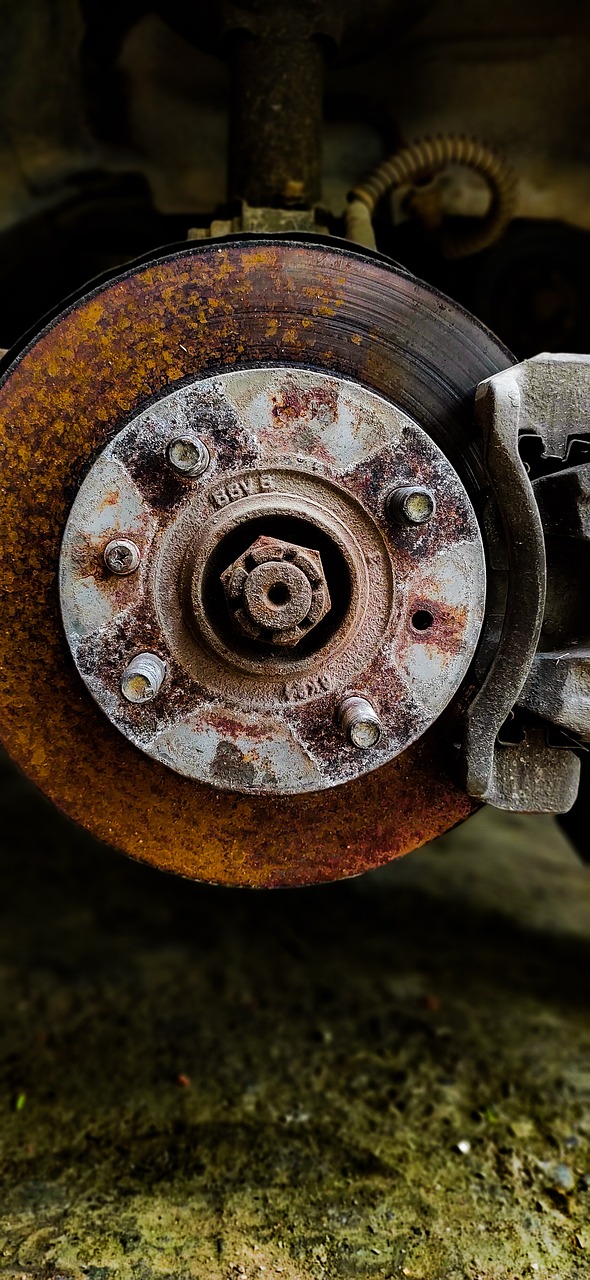
Learn how rotors work on the disc brake page, and how iron is reused in ferrous metal recycling.
Every brake job leaves something behind. A busy shop can fill a bin with worn rotors and drums in a week, and most of that metal ends up tossed into the general steel pile. That is money left on the table. Scrap brake rotors are made of grey cast iron, a dense and predictable material that foundries and mills like, so they are usually worth more when they are kept separate from mixed steel.
This page explains exactly what we buy, why clean rotors pay better than mixed scrap, how to set up bins or pallets so the metal stays clean, and how our free pickup works. If you already know what you have, skip the reading and call (647) 915-5440. We will tell you today’s price and book a pickup time that suits your shop.
What Brake Parts Do We Buy?
We buy the full range of worn brake components that come off cars, SUVs, pickups, vans and light commercial trucks. You do not need to sort them perfectly, but the cleaner the load, the better the price. Here is what we take:
- Brake rotors (discs) — solid and vented rotors, slotted and drilled rotors, front and rear, passenger and light truck. Rotors with integrated hubs are fine.
- Brake drums — rear drums from cars, pickups and vans, plus heavier drums from fleet and commercial vehicles.
- Brake calipers — cast iron calipers and aluminum calipers. Drain the brake fluid and remove rubber hoses where you can.
- Brake pads and shoes with steel backing plates — the friction material stays on; the steel plate is what carries the value.
- Hub and bearing assemblies — wheel hubs, hub-rotor units and knuckles that are mostly iron or steel.
- Caliper brackets and hardware — brackets, anchors and clips, ideally bagged or kept in one bin.
We also buy everything else that comes out of a repair bay. If your shop has worn-out parts, ask about our used and scrap car parts program, our catalytic converter buying and our general scrap metal pickup service.
Why Do Scrap Brake Rotors Pay Better Than Mixed Steel?
Scrap yards do not pay one flat price for all iron and steel. They grade metal by what it is, how clean it is and how easy it is to melt into something new. Mixed light steel, often called tin or shred, is a catch-all grade. It can contain painted sheet metal, coatings, plastic, rubber and dirt. The buyer has to shred and clean it, so it pays the least.
Scrap brake rotors are different. They are a single, well-known alloy: grey cast iron with a high carbon content. Foundries can melt clean cast iron straight back into new castings, including new rotors, engine parts and pipe fittings. That consistency is why cast iron is graded separately and usually earns more per kilogram than mixed light steel.
Density works in your favour
Rotors and drums are thick and heavy for their size. A small bin of rotors weighs far more than the same bin of sheet metal or exhaust pipe. That means more weight on the scale, fewer trips and less handling for everyone. It is one reason shops that keep their rotors separate see a real difference on each pickup.
Clean metal means fewer deductions
When a load arrives mixed with aluminum, plastic, rubber, oil or garbage, the buyer either has to sort it or pay the lowest grade for the whole load. Clean scrap brake rotors avoid that problem. Keep the iron together, keep the trash out, and the whole bin is priced as cast iron.
For background on how iron and steel are recycled, see the overview of ferrous metal recycling. For a quote on your own pile, call (647) 915-5440.
Got a Bin Full of Brake Rotors? We'll Pick It Up Free
Free pickup within 200 km of Toronto · Cash paid on the spot
📞 Call (647) 915-5440 NowHow Brake Scrap Is Graded: Rotors vs Other Metal
This table shows how different brake parts and nearby materials usually compare. It is a general guide to what drives value, not a price list. Actual prices follow the live scrap market, so call for today’s number.
| Item | Main metal | How it is usually graded | What helps the price |
|---|---|---|---|
| Scrap brake rotors | Grey cast iron | Cast iron (higher than mixed steel) | Kept separate, no aluminum hats or plastic |
| Brake drums | Grey cast iron | Cast iron | Shoes, springs and hardware removed |
| Cast iron calipers | Cast iron with steel pistons | Cast iron or mixed, depending on load | Fluid drained, rubber hoses cut off |
| Aluminum calipers | Cast aluminum | Dirty aluminum / cast aluminum | Kept apart from iron calipers |
| Brake pads and shoes | Steel backing plate + friction material | Lower-grade steel | Bagged separately, not mixed into rotors |
| Hub-rotor assemblies | Iron/steel with bearings | Cast iron or heavy steel | ABS sensors and wiring removed |
| Mixed light steel | Sheet steel, coated parts | Shred / tin (lowest) | Not much — this is the catch-all grade |
The main idea is simple. The closer a load is to one pure metal, the better it is graded. Scrap brake rotors and drums are already close to pure cast iron, which is why they deserve their own bin in every shop.
How to Keep Scrap Brake Rotors Clean of Other Metal
Most of the extra value in rotors comes from keeping them clean. You do not need special equipment. A few habits in the shop are enough. Here is what we suggest to every mechanic and brake shop we work with:
- Give rotors and drums their own container. A steel bin, a heavy plastic tote or a pallet with a cage is fine. Label it “ROTORS & DRUMS ONLY”.
- Keep aluminum out. Some newer rotors have aluminum hats or two-piece designs. Set those aside, as aluminum mixed into iron lowers the grade of both.
- Separate the pads. Pads and shoes have friction material bonded to steel. Put them in a separate pail rather than in the rotor bin.
- Pull off the extras. ABS rings, sensor wires, dust shields and wheel studs are fine on a hub, but loose plastic, rubber boots and cardboard should go in the garbage.
- Drain the fluid. Calipers should be emptied of brake fluid before they go into a bin. Wet parts make a mess on pallets and in trucks.
- No garbage, oil filters or tires. Trash in the bin forces a lower grade for the whole load.
Rust is not a problem. Surface rust on rotors and drums is normal and does not change the grade. What matters is that the container holds cast iron and not a mix of everything that came off the hoist.
What about two-piece and carbon-ceramic rotors?
Two-piece rotors with an aluminum centre hat are graded differently from plain cast iron. If you can unbolt the hat, keep the iron ring with your scrap brake rotors and put the hat with your aluminum. Carbon-ceramic rotors from high-performance cars are not cast iron at all; call us before you include them so we can tell you how they will be handled.
Bins, Pallets and Loose Piles: What Works Best?
We pick up rotors in whatever form your shop finds easiest. That said, some setups make the pickup faster and safer for everyone. Here is how the common options compare:
- Pallets: Stack rotors flat in layers, largest on the bottom. Wrap or strap the pallet if it will be moved with a forklift or pallet jack. Pallets are quick for us to load and easy to weigh.
- Steel bins or gaylord-style containers: Ideal for busy brake shops. Leave room to lift and tip, and do not overfill beyond what a pallet jack or forklift can handle safely.
- Heavy totes and pails: Good for small shops and for pads, hardware and caliper brackets. Keep the lids on so rain does not collect inside.
- Loose piles: We can still pick up a loose pile. It simply takes longer to load. Keep the pile on concrete or a pallet and away from garbage.
Need a container? Ask us when you call. For shops with steady volume, we can talk about the best container and pickup schedule. Our mechanic shop scrap pickup and tire shop scrap pickup programs explain how regular service works.
Book a Free Rotor and Drum Pickup Today
Free pickup within 200 km of Toronto · Cash paid on the spot
📞 Call (647) 915-5440 NowHow Selling Scrap Brake Rotors to EcoScrap Works
Selling rotors to us takes one phone call. There is no need to rent a truck or haul heavy iron to a scale. Here is the process from start to finish:
- Call (647) 915-5440. Tell us what you have (rotors, drums, calipers, pads), roughly how much, and where you are.
- Get today’s price. We quote based on the current cast iron market and how clean your load is.
- Pick a pickup time. Same-day or next-day pickup is often available in the GTA. Farther areas within 200 km are booked on our regular routes.
- We load it ourselves. Our crew handles the lifting, stacking and loading. You do not need to move anything.
- We weigh and confirm the grade. You see the weight and the grade before anything leaves your shop.
- You get paid on the spot. Cash at pickup, or Interac e-Transfer if your business prefers a digital record.
We ask the seller to show valid government-issued photo ID, and we keep a record of each transaction. Legitimate shops expect this, and it helps keep stolen material out of the scrap stream.
Who We Buy Scrap Brake Rotors From
Most of our scrap brake rotors come from businesses that do brake work every day. We are happy to buy from any of the following:
- Independent mechanics and auto repair shops — the steady flow of rotors, drums and pads from general repair work.
- Brake and alignment shops — high volume of rotors and calipers, often palletized.
- Tire shops — rotors and pads from brake upsells, plus rims and wheel weights. See our page on scrap alloy rims and wheels.
- Muffler and exhaust shops — brake parts alongside exhaust pipe and converters.
- Dealership service departments — regular rotor and drum volume from warranty and maintenance work.
- Fleet operators — delivery vans, pickups and service trucks with large drums and rotors.
- Body shops — knuckles, hubs and rotors from collision repairs.
- DIY car owners — a set of old rotors from a home brake job is welcome when combined with other scrap.
If your shop already sells us converters or rims, adding rotors to the same pickup is easy. Read our scrap program for mechanic, tire and muffler shops for the details.
Scrap Rotors Toronto: Fast Pickup Across the GTA
If you are searching for scrap rotors Toronto buyers, you want two things: someone who shows up when they say they will and a fair weight on the scale. We serve every part of the city, including Toronto downtown and the east and west ends, Etobicoke, North York and Scarborough.
Toronto shops are often short on space. A rotor bin that sits too long blocks a bay or a parking spot. That is why we try to offer same-day or next-day pickup inside the city whenever our routes allow it. Call in the morning and there is a good chance we can come the same day.
Selling scrap rotors Toronto shops can count on also means you get paid at pickup. There is no waiting for a cheque, and no need to drive heavy iron to a yard yourself. Call (647) 915-5440 to book.
Cast Iron Scrap Ontario: Where Your Rotors Go Next
Cast iron scrap Ontario shops produce does not go to waste. After pickup, clean rotors and drums are consolidated and sent on to processors and foundries that melt them down for new iron products. Recycling iron uses less energy and raw material than making new iron from ore, which supports Ontario’s goal of keeping useful material out of landfills.
The province’s approach to reducing waste is laid out in the Strategy for a Waste-Free Ontario. The Canadian recycling industry as a whole is represented by the Canadian Association of Recycling Industries.
For your shop, the practical point is this: cast iron scrap Ontario mechanics generate is a real commodity with a real market. Treating it as a separate grade, rather than tossing it in with mixed steel, is good for the environment and good for your bottom line.
Free Pickup Within 200 km of Toronto
We pick up scrap brake rotors for free anywhere within 200 km of Toronto. That covers the whole Greater Toronto Area, the Golden Horseshoe and well beyond. See our guide to free scrap pickup within 200 km of Toronto for how routes and scheduling work.
Peel, Halton and Hamilton
Mississauga, Brampton, Caledon and Bolton in Peel; Oakville, Burlington, Milton, Georgetown and Halton Hills in Halton; plus Hamilton, Stoney Creek and Grimsby.
York Region and Simcoe County
Vaughan, Markham, Richmond Hill, Newmarket, Aurora, King City and Stouffville in York Region; Barrie, Bradford, Innisfil, Orillia, Collingwood, Wasaga Beach and Alliston in Simcoe County.
Durham Region and the east
Ajax, Pickering, Whitby, Oshawa, Uxbridge, Bowmanville and Clarington, plus Peterborough, Port Hope, Cobourg and Lindsay.
Niagara, Waterloo Region and the west
St. Catharines, Niagara Falls and Welland in Niagara; Kitchener, Waterloo and Cambridge in Waterloo Region; plus Guelph, Brantford, London, Woodstock, Stratford, Simcoe, Fergus and Orangeville.
Not sure if you are inside our area? Call (647) 915-5440 and we will confirm right away.
Turn Your Scrap Brake Rotors into Cash
Free pickup within 200 km of Toronto · Cash paid on the spot
📞 Call (647) 915-5440 NowWhy Sell Your Scrap Brake Rotors to EcoScrap?
- We come to you. Free pickup within 200 km of Toronto. No trailers, no scale lineups, no lost shop time.
- We load it ourselves. Rotors and drums are heavy. Our crew handles them so your techs can keep working.
- Cash on the spot. You are paid at pickup, with e-Transfer available if you prefer.
- Graded as cast iron. Clean rotors and drums are priced as cast iron, not dumped into the mixed steel grade.
- One pickup for everything. Add converters, rims, copper, batteries and old parts to the same trip.
- Prices that follow the market. We quote from today’s scrap market, so you know where the number comes from.
- Responsible buying. Photo ID and a transaction record on every purchase. We do not buy stolen parts.
Learn more about EcoScrap or browse all our scrap buying services.
Tips to Get More Money for Scrap Brake Rotors
- Separate rotors and drums from everything else. This single step has the biggest effect on price.
- Pull aluminum calipers and hats out. Sell them as aluminum instead of letting them drag down the iron grade.
- Keep pads in their own pail. Backing plates are steel, but the friction material lowers the grade of a rotor bin.
- Keep the bin dry and free of garbage. Water, oil and trash all add weight that a buyer has to deduct.
- Let it build up a little. A full pallet or bin is more efficient to collect than a handful of rotors at a time.
- Combine pickups. Add catalytic converters, rims, radiators and copper to the same trip. See scrap rim prices for aluminum vs steel and catalytic converter scrap value in Ontario.
- Call for the current price. Iron prices move with the market. Calling before you book means no surprises.
What Else Can You Sell From a Brake Job?
Brake work produces more than rotors. When you book a pickup, it is worth checking the shop for other metals we can collect at the same time:
- Copper — old brake lines on some vehicles, wiring and battery cables. See selling scrap copper and brass.
- Batteries — lead-acid batteries from service work. See car battery recycling.
- Catalytic converters — the highest-value part on most cars. See sell catalytic converters.
- Alloy and steel rims — from tire swaps and damaged wheels. See scrap alloy rims and wheels.
- Whole junk cars — customer cars that are not worth repairing. See cash for junk cars and how to sell a junk car in Ontario.
Handling and Storing Brake Scrap Safely
Rotors and drums are heavy and can have sharp edges and rust burrs. A few simple rules keep your team safe while the bin fills up:
- Wear gloves when handling worn rotors, drums and calipers.
- Do not stack pallets higher than your racking or forklift can manage safely.
- Keep bins out of walkways and away from bay doors.
- Follow your shop’s usual procedures for brake dust and brake fluid. Do not blow off parts with compressed air.
- Store containers on a hard surface and keep them covered if they sit outdoors.
This is general shop advice, not regulatory guidance. Your shop’s own health and safety rules always come first.
Brake Rotors vs Brake Drums: Is There a Difference in Value?
Both rotors and drums are normally cast iron, so they usually go in the same bin and are graded the same way. A rotor is the flat disc that the pads squeeze in a disc brake system; you can read more about how they work on the disc brake page. A drum is the round housing that the shoes press outward against in a drum brake.
Drums are often heavier per piece than rotors, particularly on pickups, vans and fleet vehicles. The key thing is the same for both: remove the shoes, springs, wheel cylinders and adjusters if you can, and keep the iron clean. If you have a mix of scrap brake rotors and drums, simply put them in the same container.
How Much Brake Scrap Does a Typical Shop Produce?
Every shop is different, but brake work is one of the most common jobs in any repair bay. A single front brake job usually means two rotors, and many vehicles need rear rotors or drums as well. Over a month, even a small two-bay garage can collect a surprising amount of iron.
Because scrap brake rotors are so dense, the weight adds up faster than the volume suggests. A bin that looks half full can already be heavy enough that it should not be moved by hand. That is a good reason to plan your container size and pickup schedule around weight, not just space.
Choosing a pickup schedule
- On-call pickup: Best for smaller shops. Call us when the bin or pallet is full and we will book the next available route.
- Scheduled pickup: Best for busy brake, tire and dealership service shops. We set a regular day so you never run out of room.
- Combined pickup: Best for shops that also sell converters, rims and old parts. One visit clears everything.
Whatever you choose, the process stays the same: we arrive, load, weigh and pay on the spot. Call (647) 915-5440 to talk about the right setup for your shop.
Fleet and Commercial Brake Drums and Rotors
Fleet operators and commercial garages often deal with larger brake parts than a typical passenger car shop. Delivery vans, cube vans, pickups and service trucks use heavier rotors and drums, and heavy-duty vehicles can use drums that weigh far more than a car rotor.
We buy these too. Large drums and rotors from fleet maintenance are graded as cast iron in the same way as smaller scrap brake rotors. Because they are heavy, it helps to have them on a pallet or in a sturdy bin that can be moved with a forklift. Let us know the approximate count and size when you call so we can send the right truck.
Fleet yards across Peel, York, Durham, Halton and the Golden Horseshoe can bundle brake scrap with old batteries, radiators and wheels. See our car battery recycling page and our scrap car parts page for what else we collect.
Common Mistakes That Lower the Value of Brake Scrap
We see the same few mistakes over and over. Each one is easy to avoid, and fixing them usually means a better grade on your next pickup:
- Using the rotor bin as a garbage can. Coffee cups, boxes and shop rags end up in the iron and have to be picked out or deducted.
- Throwing in exhaust pipe and sheet metal. These are light steel and belong in a separate pile.
- Mixing aluminum with iron. Aluminum calipers, hats and wheels lose value when they are buried in cast iron, and the iron loses value too.
- Leaving bins open in the rain. Standing water adds weight that is not metal and makes the load messy to handle.
- Leaving fluids in calipers. Brake fluid leaks onto pallets and trucks. Drain it first.
None of this needs extra staff or equipment. It just takes a clearly labelled container and a quick word with your technicians.
Scrap Brake Rotors FAQs
Do you buy scrap brake rotors?
Yes. We buy scrap brake rotors and drums from mechanic shops, brake shops, dealerships, fleets and car owners anywhere within 200 km of Toronto, with free pickup and cash on the spot.
Why are brake rotors worth more than mixed steel?
Rotors are grey cast iron, a consistent, dense metal that foundries can melt directly into new castings. Mixed steel needs shredding and cleaning, so it is graded lower.
Do rusty rotors still have value?
Yes. Surface rust is normal and does not change the grade. What matters is keeping the bin free of aluminum, plastic and garbage.
Do you buy brake calipers and pads?
Yes. We buy cast iron and aluminum calipers and pads or shoes with steel backing plates. Keep pads and aluminum calipers separate from rotors for the best price.
How much do you pay for scrap rotors?
Prices follow the live cast iron market and depend on how clean the load is. Call (647) 915-5440 for today's price.
Is pickup really free?
Yes. Pickup is free anywhere within 200 km of Toronto, and our crew loads everything.
How do you pay?
Cash on the spot at pickup. Interac e-Transfer is also available.
Do I need to sort my brake scrap?
Not perfectly, but keeping rotors and drums separate from pads, aluminum and garbage gets you a better grade.
Can you pick up pallets and bins?
Yes. We pick up palletized rotors, steel bins, totes and loose piles. Tell us what you have when you call.
Do you need ID?
Yes. We ask for valid government-issued photo ID and keep a transaction record. We do not buy stolen parts.
Can my shop get regular rotor pickups?
Yes. Busy shops can set up scheduled or on-call pickups so bins never overflow.
Turn Your Brake Rotors and Drums into Cash Today
Call now for a free quote. Free pickup within 200 km of Toronto, cast iron grading and cash paid on the spot.