
Tire Shop Scrap Pickup in Toronto & Ontario – Cash for Rims, Wheel Weights & TPMS Sensors
EcoScrap.ca runs a tire shop scrap program for independent tire shops, dealership tire bays and fleet service centres. We buy aluminum alloy rims, steel rims, chrome rims, wheel weights and TPMS sensors, pick up free anywhere within 200 km of Toronto on a schedule that fits your spring and fall rush, and pay cash on the spot.
Free Tire Shop Scrap Quote
EcoScrap.ca buys tire shop scrap from tire shops across the GTA and within 200 km of Toronto: aluminum alloy rims, steel rims, chrome rims, wheel weights and TPMS sensors. We pick up free, load it ourselves and pay cash on the spot (e-Transfer if you prefer). Call (647) 915-5440 to book a pickup.
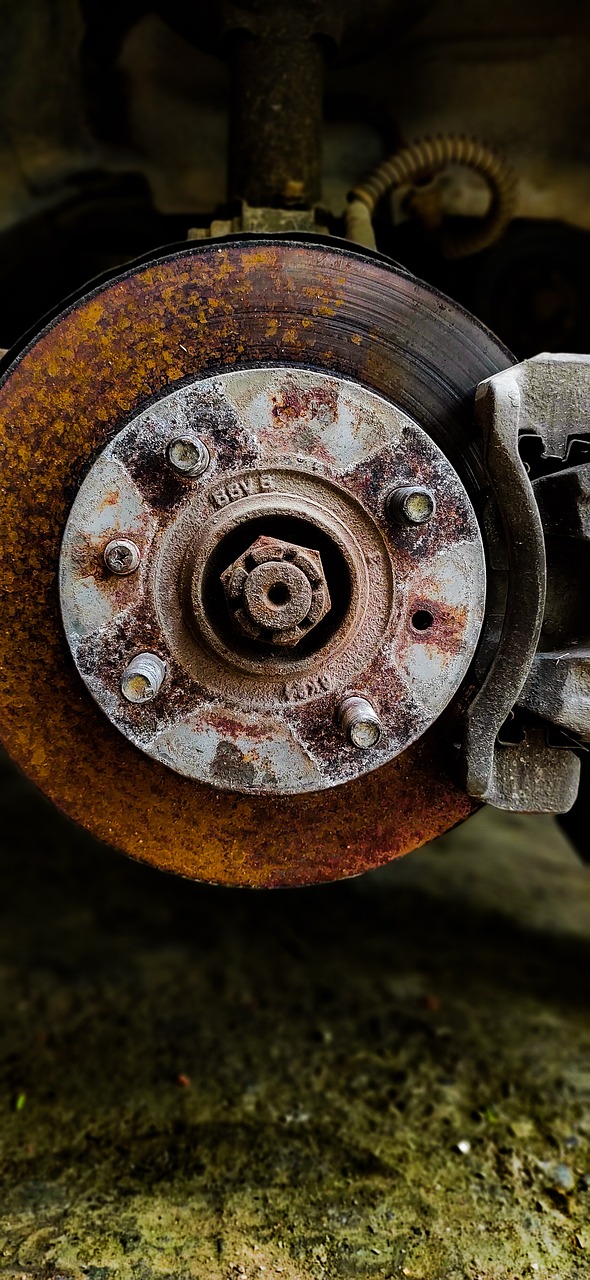
Aluminum scrap values follow global markets such as LME aluminium alloy, and recycling of rims and steel is part of the wider scrap metal industry.
If your back lot is filling up with bent rims after a busy changeover week, you do not need to rent a bin or drive to a yard. One call gets a truck to your door, a fair weight on every grade and payment before we leave. This page explains exactly what we take, how we sort it, and how a regular tire shop scrap pickup can turn clutter into steady cash.
What Is Tire Shop Scrap and Why Does It Pile Up So Fast?
Tire shop scrap is the metal a tire business collects as a by-product of mounting, balancing and replacing wheels. Most of it is valuable, but only if it is kept clean and sorted. A typical shop generates it every single day, and twice a year it explodes.
In Ontario, the spring and fall tire-change seasons push thousands of vehicles through every bay in a few short weeks. Customers swap winter and summer sets, replace cracked or corroded rims, and upgrade to new wheels. The old metal ends up stacked behind the building, under the stairs or in a corner of the warehouse.
Common tire shop scrap streams include:
- Damaged or curb-rashed aluminum alloy rims (cast and forged)
- Bent, rusted or cracked steel rims from winter sets
- Chrome and chrome-clad rims
- Lead wheel weights pulled during balancing
- Zinc and steel wheel weights (kept separate from lead)
- TPMS sensors and their aluminum or brass valve hardware
- Brake rotors and drums if your shop also does brake work
Left alone, this material takes up floor space, creates trip hazards and invites theft. Sold on a schedule, it becomes a reliable revenue line that most shop owners underestimate. That is why we built a dedicated scrap program for mechanic, tire and muffler shops.
What Tire Shop Scrap Does EcoScrap Buy?
We buy the metal side of your tire shop scrap. Here is how each stream is handled when we arrive.
Aluminum alloy rims
Most modern alloy wheels are cast from A356 aluminum alloy, a silicon-magnesium casting alloy that recyclers value highly because it melts straight back into new wheels and engine parts. Bent, cracked, curb-rashed and corroded alloys are all welcome. We pay by weight, and clean rims (tire off, weights off, valve stems and sensors off) earn the best grade. Read our full guide to selling scrap alloy rims and wheels for more detail.
Steel rims
Steel rims are heavier and are graded as ferrous scrap. They are worth less per kilogram than aluminum, but a stack of 40 or 50 winter steelies adds real weight to a load. We take them rusted, bent or painted.
Chrome rims
Chrome-plated aluminum rims and chrome-clad wheels are usually graded separately from clean bare alloys because the plating has to be dealt with at the smelter. Keep them in their own pile and we will weigh them as their own grade.
Wheel weights (lead vs zinc and steel)
Wheel weights are small, but buckets of them add up. The important rule is simple: keep lead weights separate from zinc and steel weights. We explain why in detail further down this page.
TPMS sensors
Tire pressure monitoring system sensors come off every time a sensor fails, a customer upgrades or a rim is scrapped. We accept used TPMS sensors with your rim load. Keep them in their own box so they do not contaminate your clean aluminum.
Scrap tires: ask us
We buy rims and metal; we are not a tire recycler. If you also need to move scrap tires, call (647) 915-5440 and ask us what we can arrange for your location before pickup day. Do not assume tires are included in a metal pickup.
Book your tire shop scrap pickup today
Free pickup within 200 km of Toronto · Cash paid on the spot
📞 Call (647) 915-5440 NowTire Shop Scrap Grades at a Glance
The table below shows how we typically grade tire shop scrap on site. Prices follow live aluminum, steel and lead markets, so call for today’s price rather than relying on old numbers.
| Material | How it is graded | What raises the value | What lowers the value |
|---|---|---|---|
| Clean alloy rims (A356) | Aluminum wheels, tire and weights removed | No steel, no lead, no sensors, no rubber | Tire still mounted, weights or TPMS left on |
| Dirty alloy rims | Aluminum wheels with attachments | Removing as much as possible before pickup | Steel inserts, heavy rubber, dirt and water |
| Chrome rims | Separate grade from bare alloy | Kept in their own pile | Mixed into clean alloy pile |
| Steel rims | Ferrous scrap (by weight) | Large quantities, tire removed | Tire still mounted |
| Lead wheel weights | Soft lead / wheel weight grade | Kept separate, dry, in sealed buckets | Mixed with zinc and steel weights |
| Zinc and steel weights | Separate from lead | Sorted from lead | Mixed into lead bucket |
| TPMS sensors | Mixed metal and electronics | Boxed separately | Left on rims (lowers rim grade) |
| Brake rotors and drums | Cast iron | Free of hubs and hardware | Mixed with other metals |
The takeaway: sorting does not take long, and it is the single biggest thing a shop can do to get more money for its tire shop scrap.
Lead vs Zinc and Steel Wheel Weights: Why You Must Keep Them Separate
Wheel weights used to be almost all lead. Over the past decade many manufacturers and shops have moved to zinc and steel weights, and lead is being phased out in many markets. That means most tire shops now have a mix of all three in their balancing area.
How to tell them apart
- Lead weights are soft, dull grey and heavy for their size. You can usually scratch or dent them with a fingernail or a screwdriver tip. Many older clip-on weights are lead.
- Zinc weights are harder, lighter for their size and often coated or painted. They will not dent easily.
- Steel weights are magnetic. Run a magnet over the bucket and steel weights will jump to it, while lead and zinc will not.
Many stick-on (adhesive) weights are now steel or zinc, while older clip-on weights are more likely to be lead. Do not rely on style alone; the magnet and scratch tests are faster and more reliable.
Why mixing costs you money
Lead, zinc and steel are three completely different metals with different markets. When a bucket is mixed, a buyer has to price it as the lowest-value material or charge for sorting. Keeping lead separate protects its value and keeps zinc and steel from dragging it down.
There is also a safety reason. Lead is toxic, so it should be stored dry, in a covered, labelled container, and handled with gloves. Wash your hands after sorting, and never let staff eat or drink in the balancing area. We are not giving legal advice here; follow your workplace health and safety rules and Ontario’s guidance on waste management.
A simple three-bucket system
- Put three labelled, lidded buckets at each balancing machine: LEAD, ZINC, STEEL.
- Keep a strong magnet at the station so techs can test any weight in two seconds.
- Drop each weight into the right bucket as it comes off the rim.
- When buckets are full, seal the lids and move them to your scrap corner.
- On pickup day, we weigh each bucket separately and pay for each grade.
This system costs almost nothing to set up and makes every tire shop scrap pickup faster and more valuable.
TPMS Sensors: What to Do With Old Sensors
Tire pressure monitoring system (TPMS) sensors are mounted inside the wheel, usually attached to the valve stem. Each one contains a small sealed battery, a circuit board, and an aluminum or brass valve stem with a nut and core.
Sensors die when their batteries run down, get damaged during tire changes, or come off when a rim is scrapped. Over a season, a busy shop can fill several boxes with them.
Tips for handling TPMS sensors in your tire shop scrap:
- Remove sensors from rims before the rims go in the scrap pile. A sensor left on an alloy wheel turns a clean rim into a dirty one.
- Keep sensors in a dry, separate box. Do not throw them in with wheel weights.
- Do not crush, cut or puncture sensors. The internal battery should stay intact.
- Separate loose brass valve cores and aluminum valve stems if you have a lot of them; they can be weighed with your copper and brass.
We take used TPMS sensors as part of your shop’s load. Because they mix metal and electronics, their value depends on the quantity and type, so call us and we will tell you how we will grade your batch.
How Our Tire Shop Scrap Pickup Works
We designed our pickup process around how tire shops actually run. Your bays stay open, your techs keep working, and we do the lifting.
- Call (647) 915-5440. Tell us your shop location, roughly how many rims you have, and how many buckets of weights or boxes of sensors.
- Get a free quote. We explain how today’s aluminum, steel and lead prices apply to your load. Photos help but are not required.
- Book a time. Same-day pickup is often available. Shops can also choose a recurring schedule (weekly, every two weeks, monthly or seasonal).
- We arrive and load. Our crew loads rims, buckets and boxes ourselves, so your staff stays on the floor.
- We sort and weigh. Clean alloy, dirty alloy, chrome, steel, lead weights, zinc and steel weights and sensors are weighed as separate grades.
- You get paid on the spot. Cash before we leave, or e-Transfer if you prefer. We provide a written record of what we bought.
The seller must show valid government photo ID, and we record each transaction. That is how a legitimate scrap buyer operates, and it protects your business.
Get a free quote for your rims and wheel weights
Free pickup within 200 km of Toronto · Cash paid on the spot
📞 Call (647) 915-5440 NowScheduled Pickups for the Spring and Fall Tire-Change Rush
Ontario’s tire seasons are predictable. In late March and April, drivers switch from winter to all-season or summer tires. In October and November, they switch back. The weeks around the first snow are the busiest of all.
During those rush periods, your scrap volume can triple. Rims damaged by potholes over the winter come off in spring, and tired steel winter wheels get replaced in fall. If you wait until the season ends, your lot is overflowing and staff waste time working around piles.
That is why most of our tire shop customers book scheduled pickups. Here is how it usually works:
- Pre-season clean-out: We clear your lot in early March and early October so you start the rush with empty space.
- Rush-season pickups: Weekly or every-two-weeks pickups during peak changeover weeks keep the pile under control.
- Post-season sweep: One final pickup in May and December clears whatever is left.
- Off-season: Monthly or on-call pickups when volume is low.
Scheduling is free, and you can change it any time. If one week is quieter than expected, just call and push the pickup back. If a big fleet job generates a mountain of rims, call and we will try to come sooner.
Tips for the rush
- Set up a dedicated scrap corner before the season starts, with pallets for rims and lidded buckets for weights.
- Assign one person per shift to break down rims at the end of the day.
- Never stack rims in a walkway or in front of an exit.
- Keep a simple tally sheet so you know roughly what we will be picking up.
How to Prepare Tire Shop Scrap for the Best Price
Preparation is where shops either leave money on the table or collect it. You do not have to do everything on this list, but every step helps.
Separate the grades
Keep aluminum, chrome and steel rims in different piles. A steel wheel in an aluminum pile can get the whole pile downgraded. A magnet will settle any doubt in seconds: steel is magnetic, aluminum is not.
Strip the rims
Remove tires, wheel weights, valve stems and TPMS sensors where you can. A clean A356 alloy rim is one of the best grades of aluminum scrap you can sell, while a rim with a tire, steel weights and a sensor still attached is worth much less per kilogram.
Keep it dry
Water adds weight that is not metal, and buyers know it. Rims stored outside collect water in the barrel and dirt in the lip. A tarp or covered area keeps them clean, dry and easier to grade.
Keep weights in sealed buckets
Weights stored in open boxes get mixed, spilled and wet. Lidded, labelled buckets keep lead separate and contained.
Don’t mix in garbage
Rags, cardboard, plastic hub caps and centre caps add bulk and reduce value. Plastic centre caps should be popped out before rims are scrapped.
Bundle brake work separately
If your shop also does brakes, keep brake rotors and drums in their own pile. Cast iron rotors are their own grade.
Who We Buy Tire Shop Scrap From
Our tire shop scrap program serves every kind of business that handles wheels:
- Independent tire shops and tire and wheel stores
- Dealership service departments and tire storage centres
- Auto repair shops and mechanics that sell and install tires (see our mechanic shop scrap pickup page)
- Fleet operators that maintain their own trucks, vans and buses
- Mobile tire services that change tires at customers’ homes and workplaces
- Wheel repair and refinishing shops with unrepairable rims
- Muffler and exhaust shops, body shops and service centres with mixed metal
We also buy from private car owners who have a few old rims in the garage, but our scheduled program is built for businesses with ongoing volume.
Free Tire Shop Scrap Pickup Within 200 km of Toronto
We pick up free across the Greater Toronto Area and the Golden Horseshoe, from Peel, York, Durham and Halton regions out to Niagara, Waterloo Region, Simcoe County and beyond. If your shop is within about 200 km of Toronto, we come to you.
Areas we serve include Toronto, Etobicoke, North York, Scarborough, Mississauga, Brampton, Vaughan, Markham, Richmond Hill, Oakville, Burlington, Hamilton, Ajax, Pickering, Whitby, Oshawa, Newmarket, Aurora and Milton.
Further out, we regularly collect from Barrie, Guelph, Kitchener, Cambridge, St. Catharines, Brantford, Peterborough and London, plus Waterloo, Niagara Falls, Welland, Grimsby, Stoney Creek, Caledon, Bolton, Georgetown, Halton Hills, Orangeville, Stouffville, Bradford, Innisfil, Orillia, Collingwood, Bowmanville, Clarington, Cobourg, Woodstock and Stratford.
For a full explanation of how our routes work, see free scrap pickup within 200 km of Toronto and our general scrap metal pickup page.
Tire shop scrap pickup Toronto: call for a time today
Free pickup within 200 km of Toronto · Cash paid on the spot
📞 Call (647) 915-5440 NowWhat Affects the Value of Tire Shop Scrap?
Every load is different. These are the factors that decide what your tire shop scrap is worth on pickup day.
Live metal markets
Aluminum, steel and lead are traded commodities. Aluminum prices move with global markets such as the London Metal Exchange, and scrap prices in Ontario follow them. A load is worth more or less depending on the week you sell it, which is why we always quote today’s price.
Metal type and grade
Clean A356 aluminum alloy rims are the most valuable rim grade. Chrome rims come next as their own grade, then dirty alloys. Steel rims are worth the least per kilogram but often make up the most weight. Lead weights have their own market, separate from zinc and steel.
Cleanliness
Removing tires, weights, valve stems and sensors moves a rim from a dirty grade to a clean grade. That one change is often the biggest value boost available to a shop.
Volume and consistency
Larger, regular loads are more efficient to collect. A shop on a scheduled program with predictable volume is easier to serve and plan around.
Sorting
Separate piles mean every grade is paid at its own rate. Mixed piles are priced at the lowest common grade.
Scrap Rims for Tire Shops: Aluminum vs Steel vs Chrome
Scrap rims are the heart of most tire shop scrap loads. Understanding the three main types helps your staff sort them in seconds.
| Rim type | How to identify | Magnetic? | Typical grade |
|---|---|---|---|
| Cast alloy (A356) | Painted or machined face, thick spokes, lighter than steel | No | Clean or dirty alloy wheel |
| Forged alloy | Thinner spokes, very light, often performance or truck wheels | No | Alloy wheel (ask us) |
| Chrome-plated | Mirror finish, may peel or pit | Usually no (aluminum base) | Chrome wheel grade |
| Steel | Plain black or silver, stamped centre, heavy | Yes | Ferrous / steel wheel |
For a deeper look at how values compare, read our article on scrap rim prices: aluminum vs steel.
Rims with tires still on
If you have rims that still have tires mounted, tell us when you call. Tire-on rims are graded lower, and tires themselves are a separate stream. Ask us how we can handle them for your location.
Why Tire Shops Sell Their Scrap to EcoScrap
There are plenty of ways to get rid of tire shop scrap. Here is why shop owners call us.
- We come to you. No renting trucks, no lost staff hours driving to a yard.
- Free pickup within 200 km of Toronto. No hidden pickup fees.
- We load it ourselves. Your techs stay in the bays where they make you money.
- Cash on the spot. Or e-Transfer if your bookkeeper prefers a paper trail.
- Separate grades, separate pay. We weigh alloy, chrome, steel, lead, zinc and steel weights and sensors as their own grades.
- Scheduled pickups. Weekly, monthly or seasonal plans built around the spring and fall rush.
- Clear, honest pricing. We explain how live markets apply to your load instead of promising unrealistic numbers.
- Legitimate buying. We check government photo ID and record transactions. We do not buy stolen parts.
- One buyer for everything. Rims, weights, sensors, rotors, catalytic converters, car batteries and scrap car parts can all go on the same truck.
Tips to Get More Money for Your Tire Shop Scrap
Small habits make a big difference over a year of pickups. These are the tips we share with every shop that joins our program.
- Use a magnet at every station. Instant sorting of steel from aluminum and steel weights from lead.
- Strip alloys before stacking. Tires, weights, valve stems and sensors off.
- Keep chrome separate. Do not let chrome rims dilute a clean alloy pile.
- Three-bucket weights. Lead, zinc and steel always in different buckets.
- Store under cover. Dry metal is easier to grade and weigh.
- Book before the rush. Empty your lot before the season so you never run out of space.
- Combine streams. Add rotors, batteries and converters to your pickup for one efficient visit.
- Ask about timing. Metal prices move; if you have flexibility, ask us about the market when you call.
- Keep simple records. A tally sheet helps you track scrap income over the year.
- Call for today’s price. Old quotes go stale fast in commodity markets.
Is Selling Tire Shop Scrap Good for the Environment?
Yes. Recycling aluminum uses only a fraction of the energy needed to make new aluminum from ore, and an A356 alloy wheel can be remelted into new castings again and again. Steel rims go back into the ferrous stream and become new steel products.
Keeping lead weights out of landfill and out of the general waste stream is also important. Sending them to a proper recycler means the lead is recovered rather than left in the environment.
The Canadian Association of Recycling Industries (CARI) represents the recycling businesses that turn this kind of material back into raw feedstock. Ontario’s provincial waste-free Ontario strategy also encourages businesses to keep materials in use. Selling your scrap rims, weights and sensors is a straightforward way for a tire shop to be part of that.
Tire Shop Scrap vs Doing It Yourself: A Quick Comparison
Some shops haul their own scrap. Here is how that compares with an EcoScrap pickup.
| Factor | Haul it yourself | EcoScrap pickup |
|---|---|---|
| Labour | Staff load, drive and unload | We load everything |
| Vehicle | Your truck or a rental | Our truck |
| Time off the floor | Hours per trip | None |
| Sorting at the yard | You wait in line | We sort and weigh at your shop |
| Payment | At the yard | Cash on the spot at your shop, or e-Transfer |
| Scheduling | When someone is free | Booked around your rush |
For most shops, the labour saving alone makes pickup the better choice, especially during the busiest weeks of the year.
What You Need on Pickup Day
Pickup day is quick when everything is ready. Here is a short checklist.
- Valid government photo ID for the person selling (owner or authorized manager)
- Rims grouped by type (alloy, chrome, steel) where possible
- Weight buckets labelled and lidded
- TPMS sensors boxed separately
- Clear access to your scrap area for our truck
- Your preferred payment method: cash or e-Transfer
We provide a record of each transaction for your books.
Frequently Asked Questions About Tire Shop Scrap
What does EcoScrap buy from tire shops?
We buy aluminum alloy rims, chrome rims, steel rims, lead wheel weights, zinc and steel wheel weights, TPMS sensors, brake rotors and drums, and other scrap metal. Call (647) 915-5440 for today’s price.
Do you pick up tire shop scrap for free?
Yes. Pickup is free anywhere within 200 km of Toronto, and we load the material ourselves.
How do you pay tire shops?
We pay cash on the spot when we weigh your load. e-Transfer is also available if you prefer.
Do you take scrap tires?
We buy rims and metal and are not a tire recycler. Ask us when you call and we will tell you what can be arranged for your location.
Why should I keep lead wheel weights separate?
Lead, zinc and steel are different metals with different markets. Mixed buckets are priced at the lowest grade, and lead should be stored and handled carefully.
How can I tell lead weights from zinc or steel?
Lead is soft and dents easily; zinc is harder and lighter; steel is magnetic. A magnet and a quick scratch test sort most weights in seconds.
Do you buy used TPMS sensors?
Yes, we accept used TPMS sensors with your rim and metal load. Keep them in a separate box and do not crush them.
Can you set up scheduled pickups for the spring and fall rush?
Yes. Many shops book weekly or every-two-weeks pickups during the tire-change rush and monthly pickups the rest of the year.
Should I remove tires and weights before you pick up rims?
It helps. Clean alloy rims with tires, weights, valve stems and sensors removed are graded higher than dirty rims.
What do I need to show at pickup?
The person selling must show valid government photo ID, and we record each transaction. We do not buy stolen parts.
How fast can you pick up?
Same-day pickup is often available across the GTA. Call (647) 915-5440 to check today’s schedule.
Clear Out Your Tire Shop Scrap Today
Call now for a free quote. Free pickup within 200 km of Toronto, rims and weights sorted on site, and cash paid on the spot.